
About Us
Data-Informed & Community-Driven.
Hawaiʻi's own soil lab, guided by aloha ʻāina.
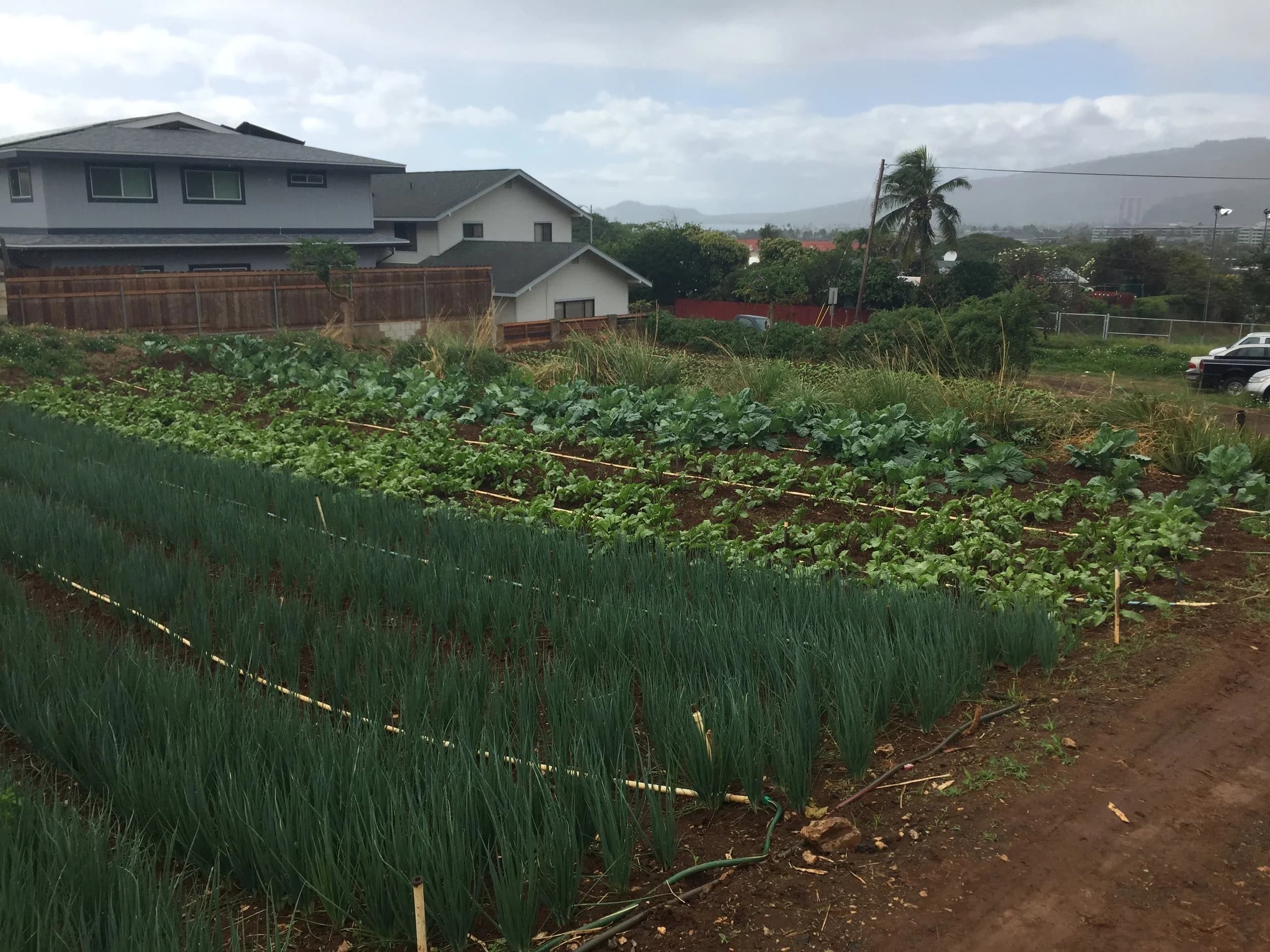
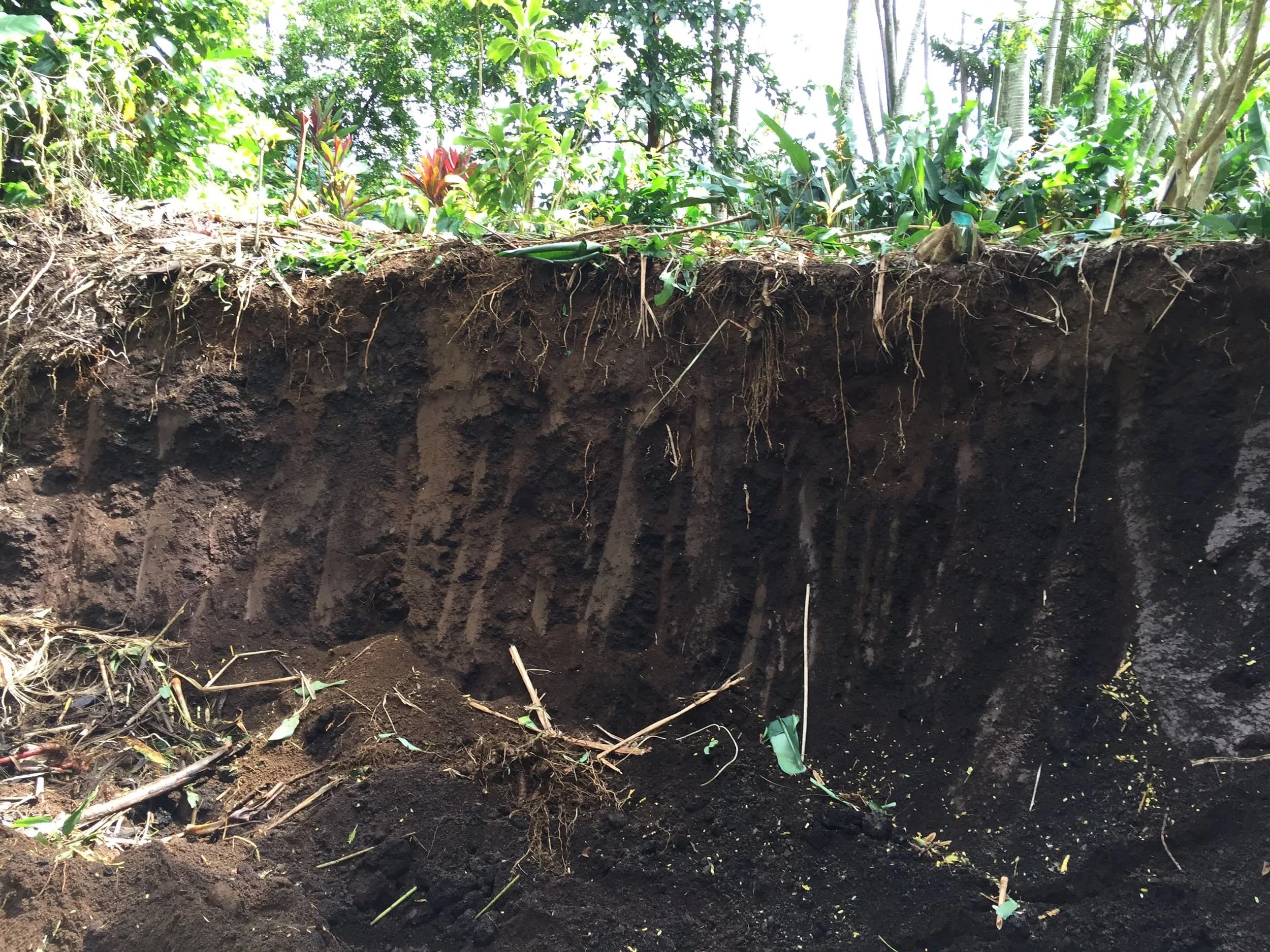
Hawaiʻi's volcanic soils are unlike anywhere else. We give the people growing its food and restoring its land fast, accurate soil data, close to home.
“Built in Hawaiʻi.
Built for Hawaiʻi.”
Founded June 2022
Honolulu, Hawaiʻi
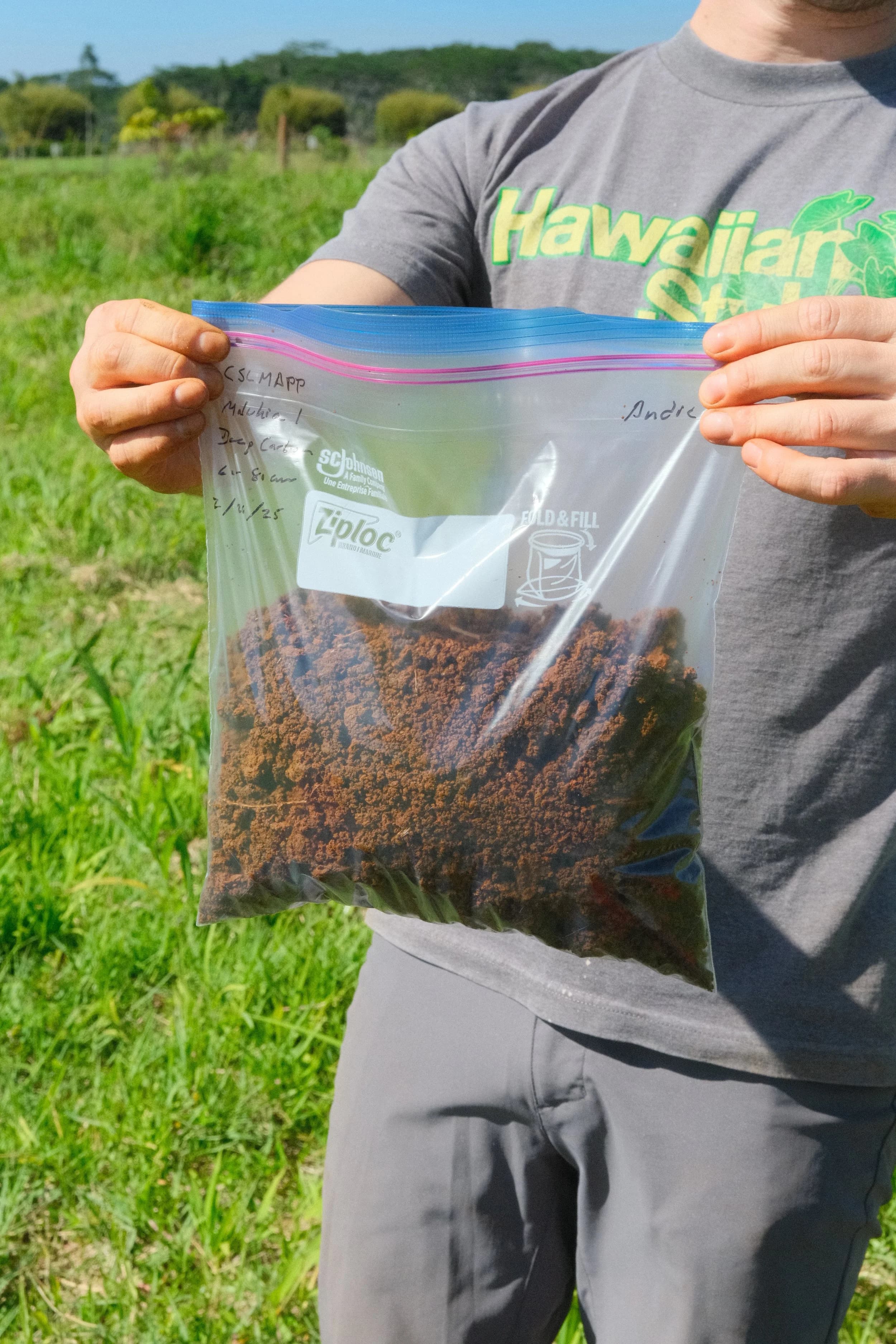
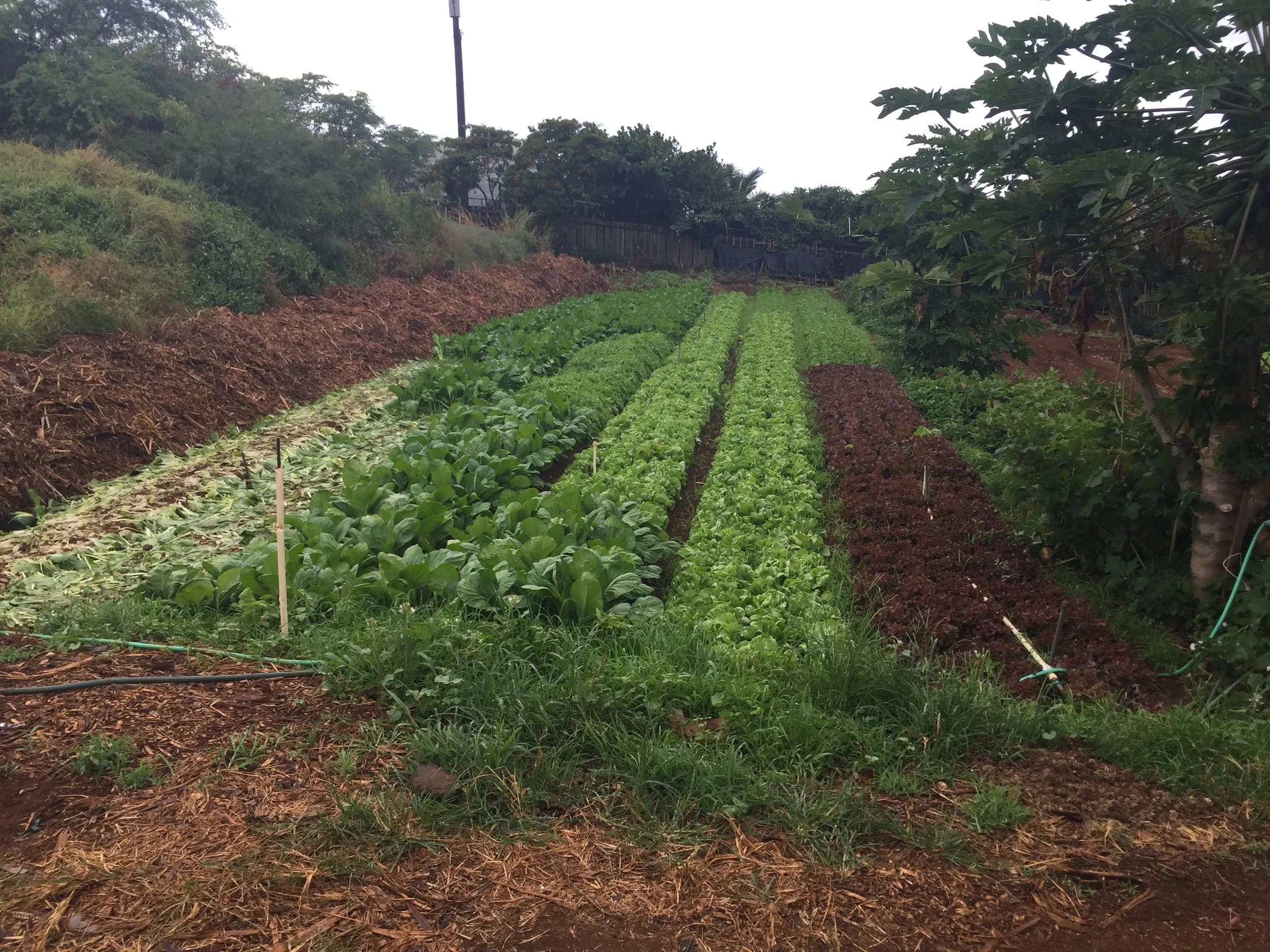
We started in Honolulu in June 2022 to give Hawaiʻi's farmers and land stewards soil analysis that reflects their land.
We pair the principles of aloha ʻāina with modern lab science, and calibrate every test for Hawaiʻi's volcanic soils.
Why We Exist
Hawaiʻi's Farmers
Deserve a Local Lab.
The Challenge
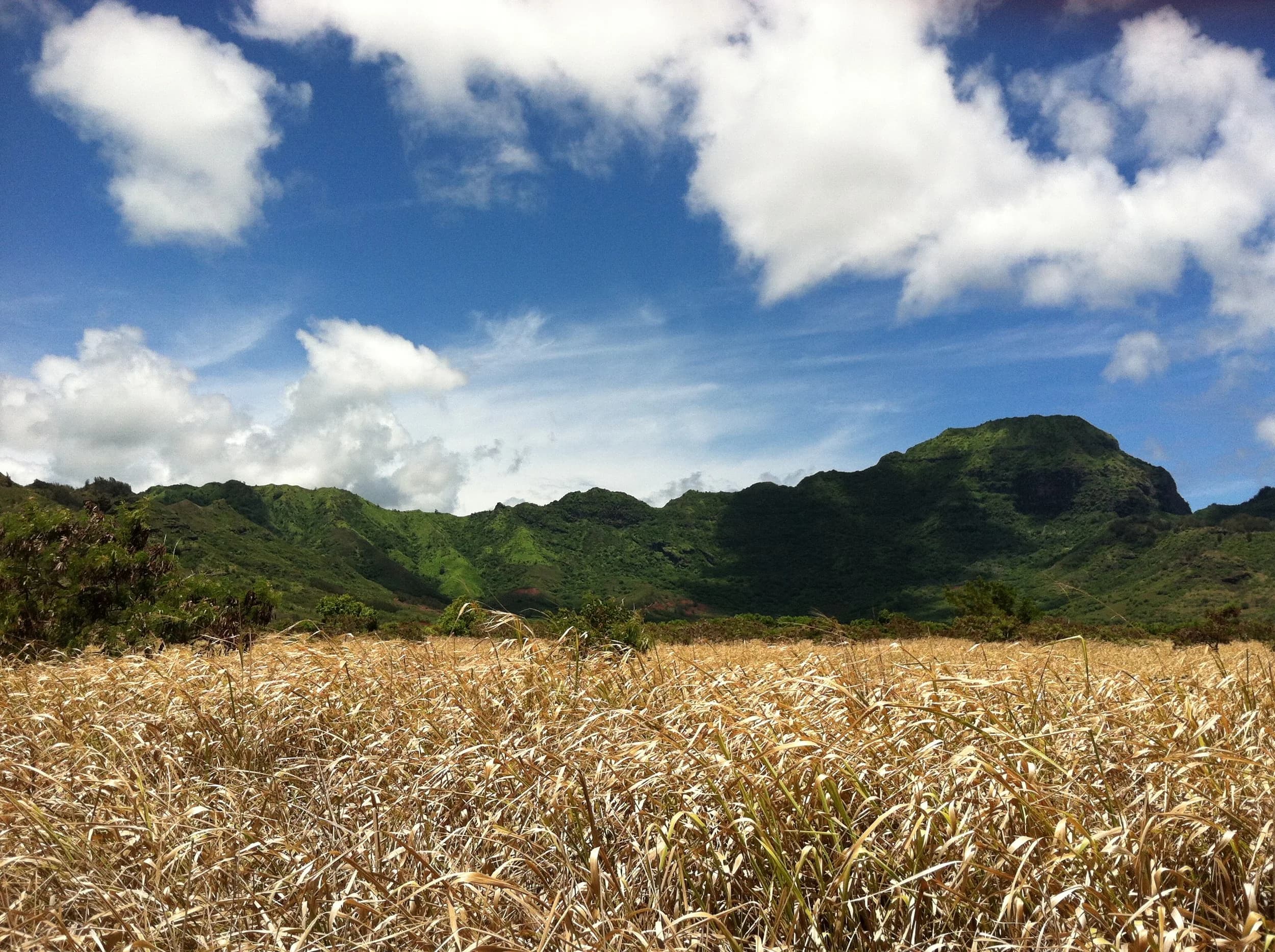
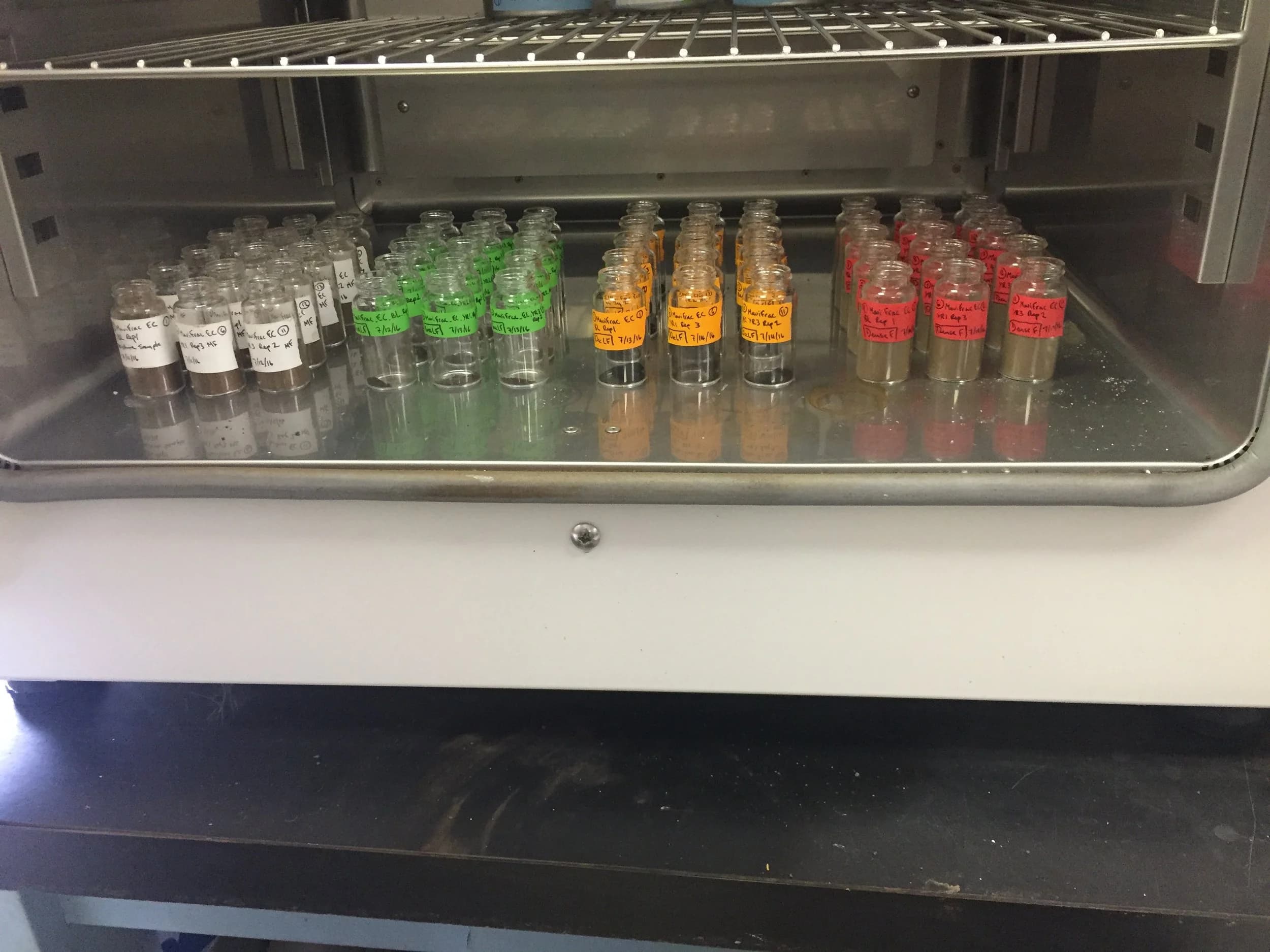
Hawaiʻi had no local soil lab calibrated for volcanic soils, and results from the mainland were slow and hard to read.
The Solution
A local lab built for these soils, with results on an easy-to-read dashboard and reports that draw on traditional ecological knowledge.
Our Team
Local Expertise.
Rigorous Science.
Agriculture, culture, and technology, under one roof.
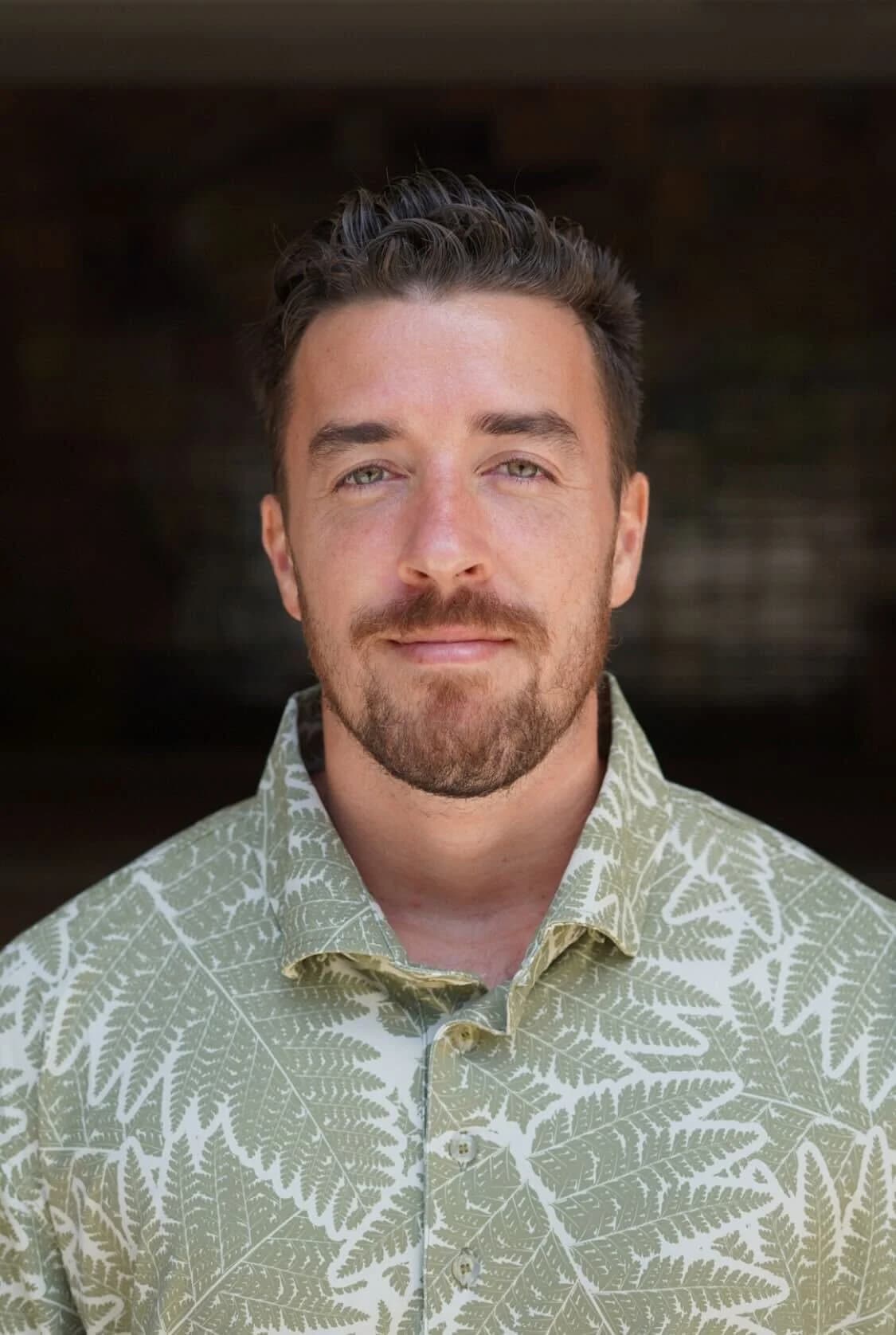
Daniel started Makaliʻi Metrics so Hawaiʻi’s growers could get fast, accurate soil testing at home instead of from the mainland.
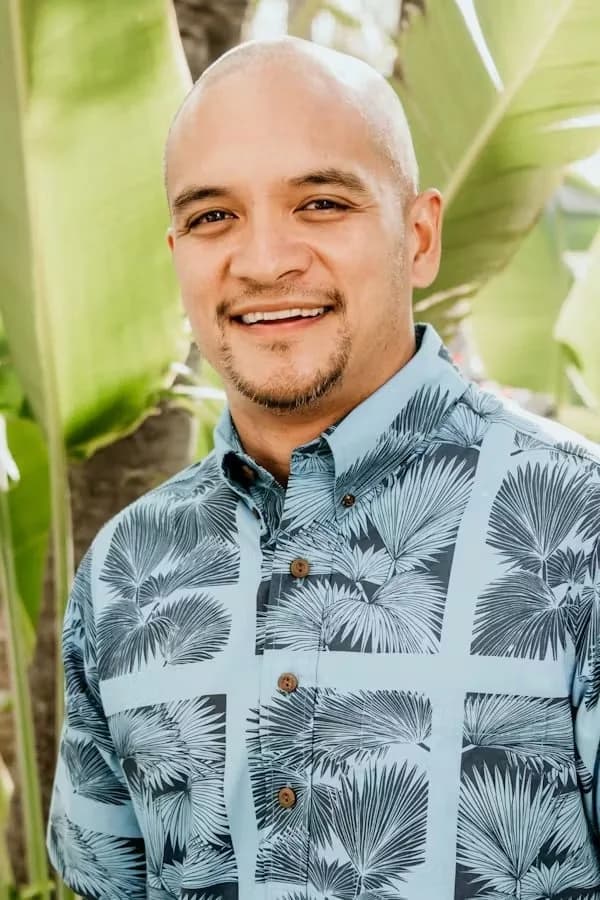
Kuhaʻo bridges traditional ecological knowledge and modern soil management, shaping how we explain results to growers.

Zachary leads our technology, turning soil data into clear results you can act on.
The Lab
Meet the Equipment.
The instruments behind every result, here in Honolulu.
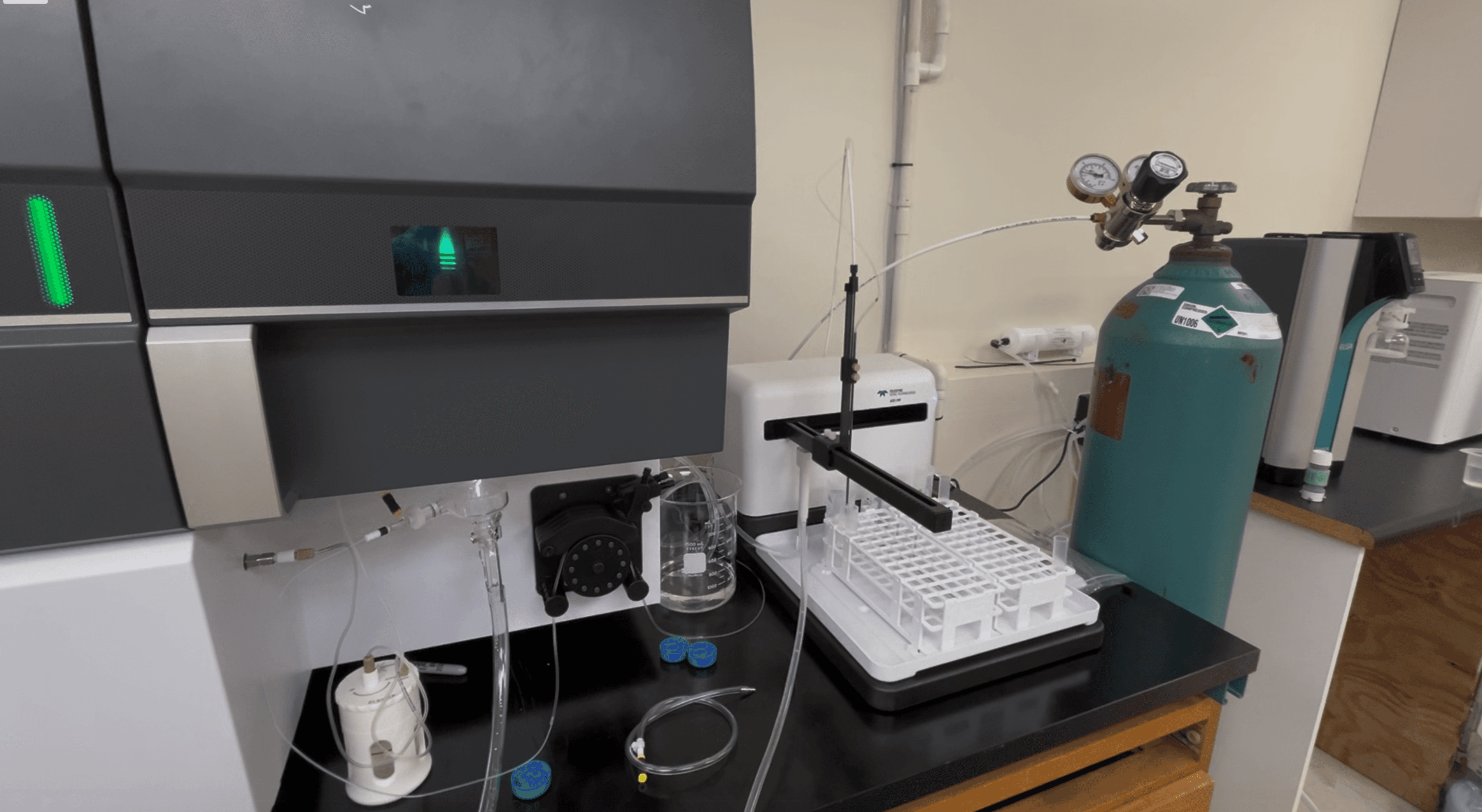
Measures nutrients and trace elements (like P, K, Ca, Mg) and contaminants such as lead and arsenic.
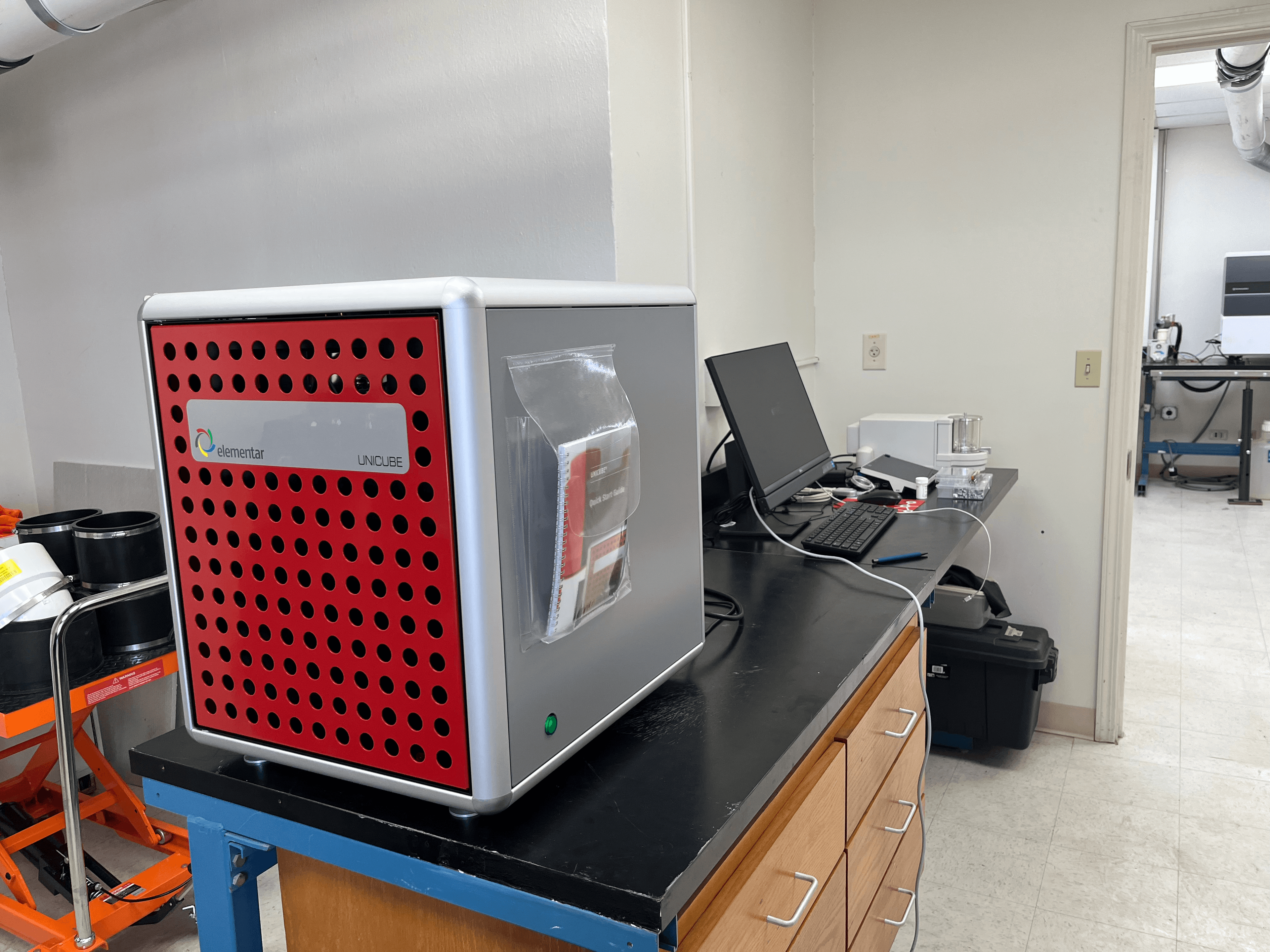
Measures total carbon, nitrogen, and sulfur, key to organic matter and soil health.
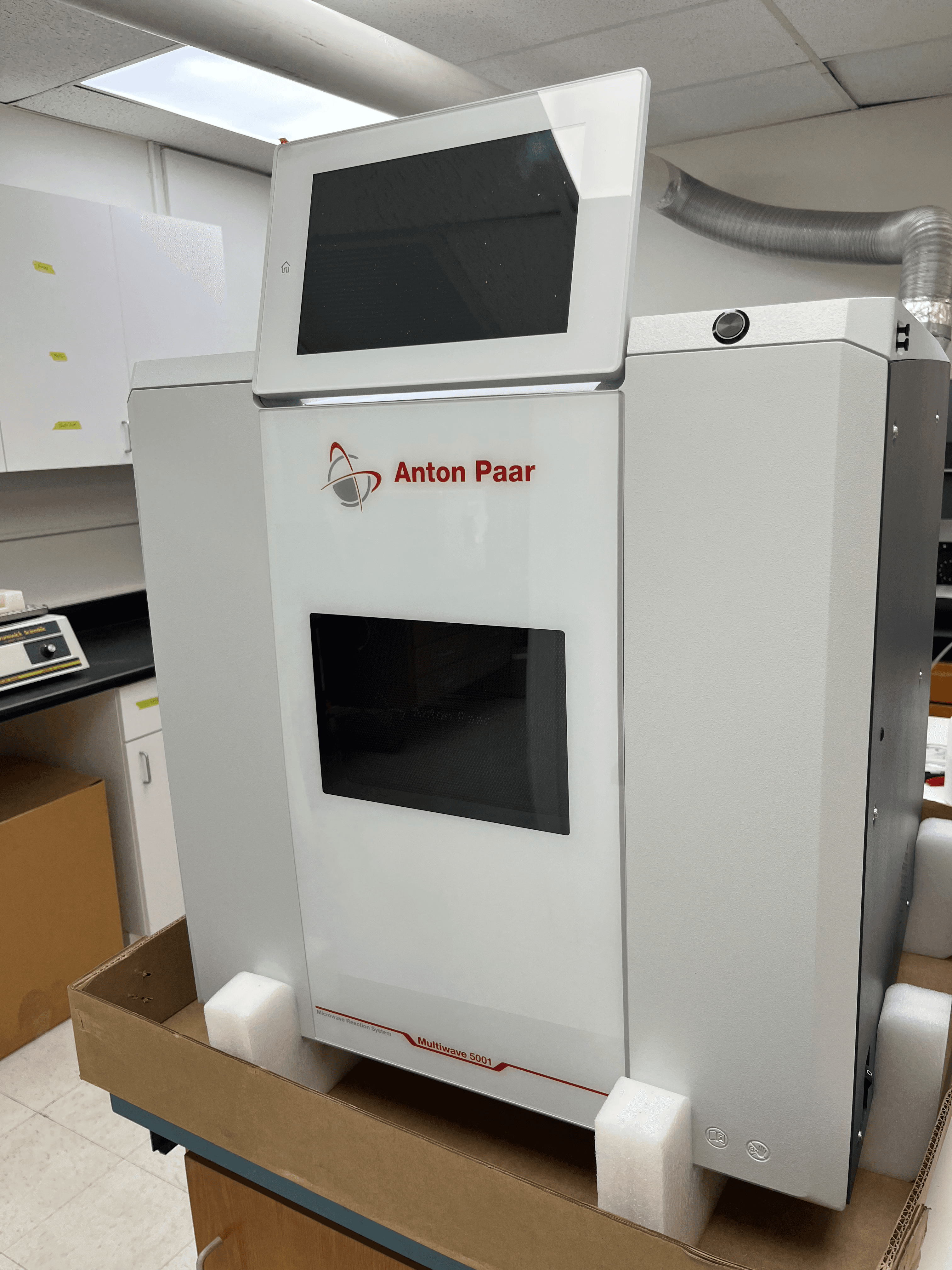
Breaks down plant, compost, and media samples so every element can be measured.
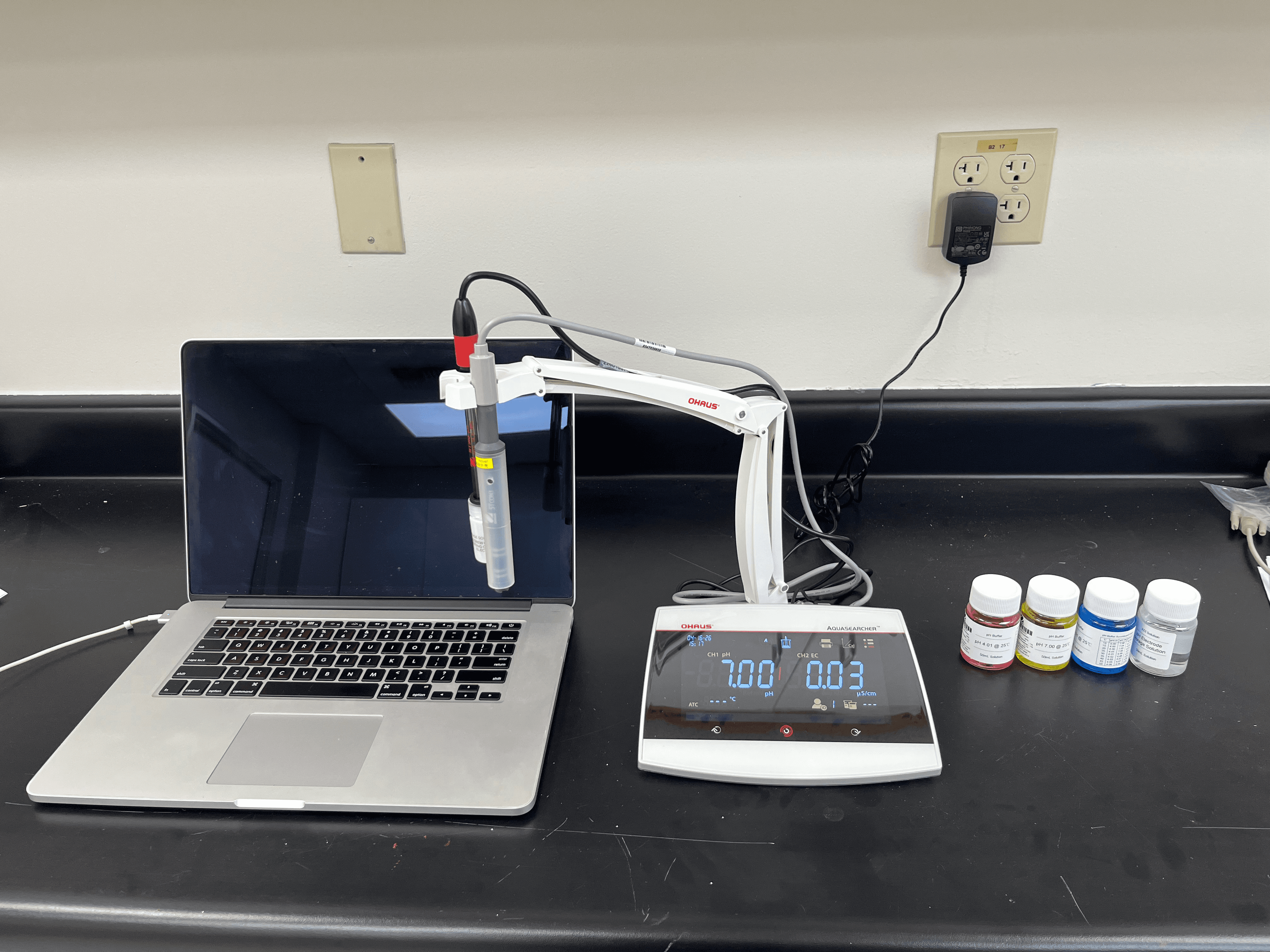
Measures soil pH and salt level (EC), the starting point for amendment plans.
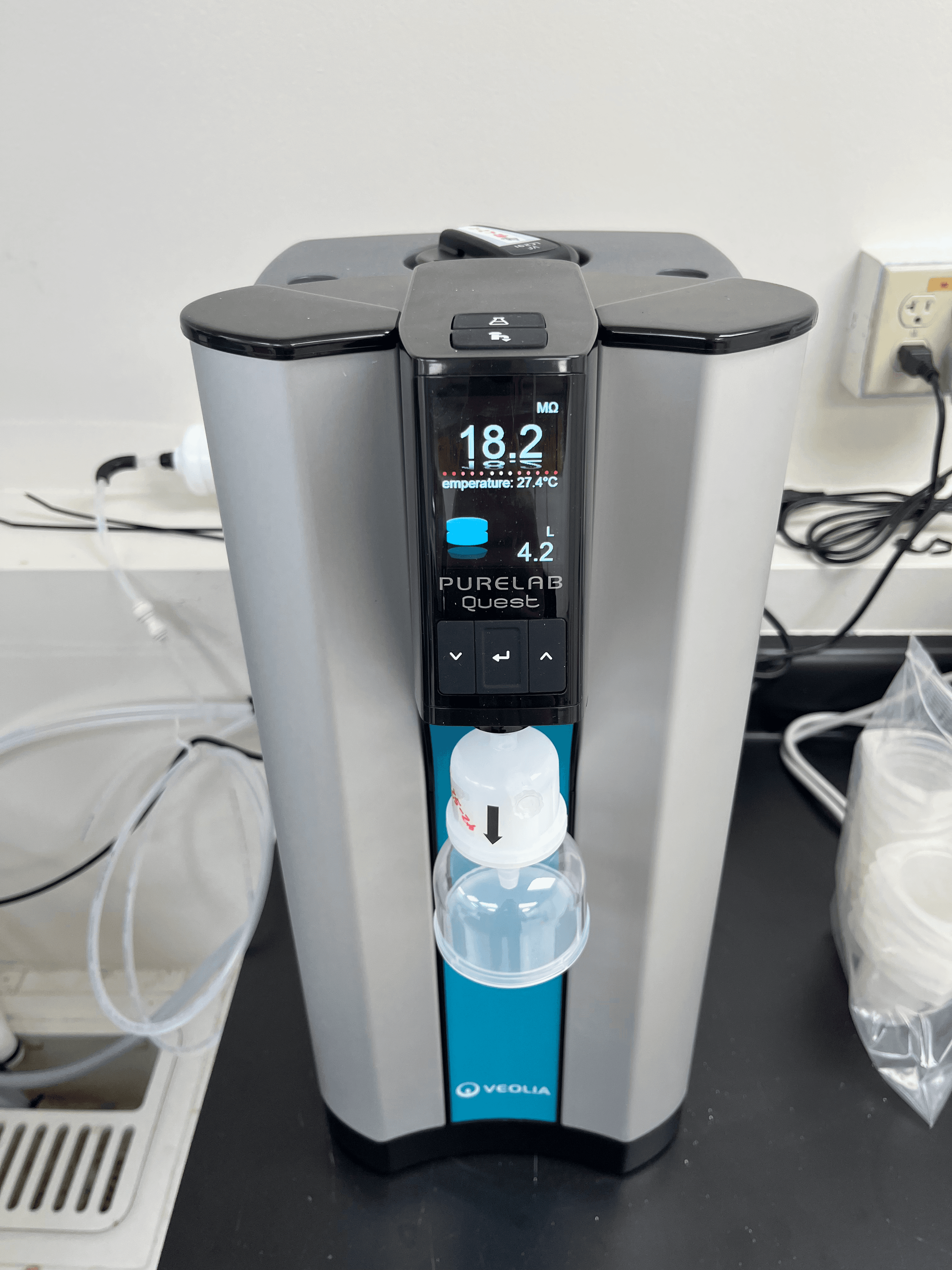
Makes ultrapure water so nothing contaminates our readings.
Our Standard
Quality Is Not a Feature.
It's the Foundation.
Methods developed for Hawaiʻi's volcanic soils, not continental baselines.
Rigorous QC protocols and replicate testing on every batch.
We document exactly how we analyze and interpret your samples.
Our methods evolve alongside the latest in soil science research.
Acknowledgments
Mahalo to the mentors, kumu, and colleagues whose work on Hawaiian soils and ʻāina guides ours.